
"Latin America coffee origins"
400 article(s) found

What are the characteristics of Latin American coffee? How can Latin American coffee taste good?
Professional coffee knowledge exchange more coffee bean information Please pay attention to coffee workshop (Wechat official account cafe_style) Coffee growth conditions due to the main geographical factors: latitude, temperature, topography, rainfall, sunshine and so on, the distribution of coffee producing areas varies from continent to continent. The countries of Central and South America and Africa match the climate and topography of the region at the same latitude and

The famous producing area of Peruvian coffee, Peruvian boutique coffee and South American coffee.
In 1721, French naval officer Gabriel Mathieu de Clieu went through difficulties and obstacles to bring the first coffee sapling from Africa to the Latin American island of Martinique, which was the origin of coffee cultivation in Latin America. Because France was under the Bourbon dynasty, there was another time for Arabica coffee grown in Latin America.
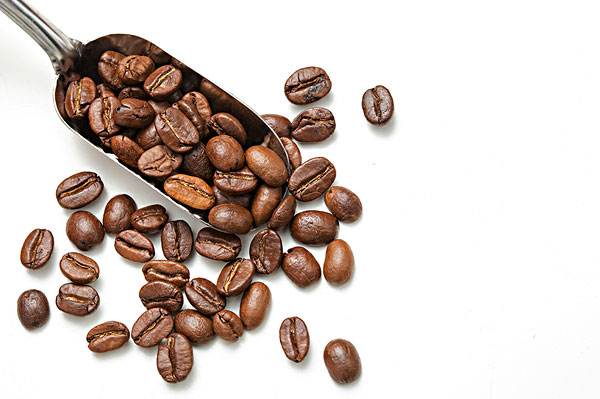
Latin American coffee growing region, Latin American coffee taste
Following Cafe Review (Wechat official account vdailycom) found that Beautiful Cafe opened a small shop of its own Latin America is famous for its coffee production and export volume, ranking first in the world. In 1979, Latin America produced 3.264 million tons of coffee, accounting for 65.6 percent of the world's total output, and coffee exports accounted for 2.217 million tons, accounting for about the world's total exports.

Columbia Tarasu Latin American coffee with the name of extra hard beans.
Tarasu in Costa Rica is one of the major coffee producers in the world. The coffee is light and pure in flavor and pleasant in aroma. Tarasu Latin America his coffee is a famous local product, but the production is limited, about 72600 kilograms a year, it is grown on a piece of land called Latin America. In fact, this land can produce more than 450 tons of coffee a year. But the species of Tarasu Latin American coffee

Characteristics of Coffee beans in Latin America Flavor description and taste treatment in growing area
The characteristics of Latin American coffee beans: flavor description of the growing area the bourbon species was introduced to America by French immigrants from Island of Bourbon (today's French island of Reunion Island of Reunion, located in the Indian Ocean east of Madagascar) in the 18th century, and is now widely cultivated in the Western Hemisphere, such as Brazil, and a small amount in Yunnan, China. Bourbon

Delicious, light introduction to Venezuelan coffee from Latin America
Alaganeza, Santa Ana, Tacira. Other premium product names are: Maracaipos, Merida, Trujillo, San Philo Mona and Kukuta. One of the many plantations in Merida at the foot of the Andes belongs to the Pablo and Pugali families, an ancient farm that has been allowed to downsize. Since taking over the farm in the early 1980s

Latin American coffee brand recommendation on how to brew Latin American coffee beans
Professional coffee knowledge exchange more coffee bean information please follow the coffee workshop (Wechat official account cafe_style) Latin American coffee bean taste characteristics: balanced, moderately sour and mellow Central and South America is the world's largest coffee producing region, where there are numerous boutique coffees. If you take Colombia, Guatemala or Brazil as an example, good coffee is enough to make people dazzle.

Coffee from Mexico (Mexico) Oaxaca and Chiapas Mexican coffee beans can be said to be flavor
In 1721, French naval officer Gabriel Mathieu de Clieu went through difficulties and obstacles to bring the first coffee sapling from Africa to the Latin American island of Martinique, which was the origin of coffee cultivation in Latin America. Because France was under the Bourbon dynasty, there was another time for Arabica coffee grown in Latin America.
Coffee in Venezuela Other Coffee in Latin America Boutique Coffee
The distinctive manor coffee comes from this oil-rich country. Oil was once considered Venezuela's main export. Although coffee trees were introduced from Martinique as early as 1730 and Venezuela, coffee production was almost abandoned during the heyday of the oil industry. Coffee plantations have recently begun to revive, with the original plantations of Tipica and

Introduction to the Variety characteristics of Santa Rita Coffee Bean Flavor description in Colombia
Columbia Santa Rita Coffee Bean Flavor description method Variety characteristics in producing areas Coffee also needs daylight and proper shade, which is most suitable for planting on fertile soil or volcanic ash soil. Therefore, the origin of coffee is widely distributed in South America, Central America, the West Indies, Asia, Africa, Arabia, the South Pacific and Oceania. Such as Ethiopia and Tanzania in Africa

Introduction of manor varieties in environmental producing area of Arabica coffee bean growing area in Latin America
Medial/City/Full city/Espresso/Dark/French Columbia beans are one of the few coffee beans that range from shallow roasting to very deep roasting, ranging from light roasting to deep roasting sweetness. In such a wide range, Colombian beans will have a different appearance.

Description of characteristics and flavor of Latin American coffee beans regional varieties produced by taste treatment
Flavor description of Latin American coffee beans wild (wild): describe coffee with extreme taste characteristics that remind you of the vast grasslands of Africa. Sweet: it is a commonly used adjective to describe coffee without sharp flavor. Strong (strong): in popular usage, strong describes deep baking.

What do you recommend in Latin American coffee producing areas? how much is a cup of Latin American coffee?
Professional coffee knowledge exchange more coffee bean information please follow the coffee workshop (Wechat official account cafe_style) in terms of production, coffee beans in Latin America account for about 60% of the world's coffee production, Africa and Arabia account for about 20%, and the remaining 20% are distributed in Asian countries and islands. In South America, Brazil accounts for 30-50% of the world's output, Goran.

The famous Peruvian coffee producing area Mayou deep roasting is most suitable for Peruvian coffee bean boutique coffee.
In 1721, French naval officer Gabriel Mathieu de Clieu went through difficulties and obstacles to bring the first coffee sapling from Africa to the Latin American island of Martinique, which was the origin of coffee cultivation in Latin America. Because France was under the Bourbon dynasty, there was another time for Arabica coffee grown in Latin America.

Introduction of taste varieties of Latin American coffee beans with unique flavor
The characteristics of Latin American coffee beans the coffee beans produced in the high latitudes of Costa Rica are famous in the world, full-bodied, mild in taste, but extremely sour. The coffee beans here have been carefully processed, which is why they have high quality coffee. Located in the south of SanJos, the capital of Tarasu, Costa Rica is one of the most valued coffee growers in the country.

Balanced entry single coffee in three major producing areas of Manisales, Medellin, Colombia, Armenia
In 1721, French naval officer Gabriel Mathieu de Clieu went through difficulties and obstacles to bring the first coffee sapling from Africa to the Latin American island of Martinique, which was the origin of coffee cultivation in Latin America. Because France was under the Bourbon dynasty, there was another time for Arabica coffee grown in Latin America.

Introduction to the differences between African beans and American coffee beans
The difference between African beans and American coffee beans Guatemala is a coffee producing area that can not be ignored and is a typical representative of coffee flavor diversity. SHB (hardest bean) in Guatemala is almost a well-known synonym for high-quality coffee. This is because there are more than 300 kinds of microclimate, high mountains, Pacific Ocean, Atlantic Ocean, huge volcanic lakes, Mexican plains and abundant.

Introduction to the quality characteristics of taste and flavor description treatment of Honduran coffee beans
Introduction to Honduran boutique coffee beans in 1721 French naval officer Gabriel Mathieu de Clieu experienced difficulties and obstacles to bring the first coffee sapling from Africa to the Latin American island of Martinique, which was the origin of coffee cultivation in Latin America. Because at that time France was under the reign of the Bourbon dynasty, which was grown in Latin America.

Bolivia is one of the poorest countries in Latin America, bordering Brazil and Colombia
Professional coffee knowledge exchange More coffee bean information Please pay attention to coffee workshop (Weixin Official Accounts cafe_style) If you want to find such a romantic, beautiful, remote and dangerous dream territory in many coffee producing areas, it is Bolivia! Bolivia, one of the poorest countries in Latin America, is a landlocked country bordering Brazil and Colombia. although it is a
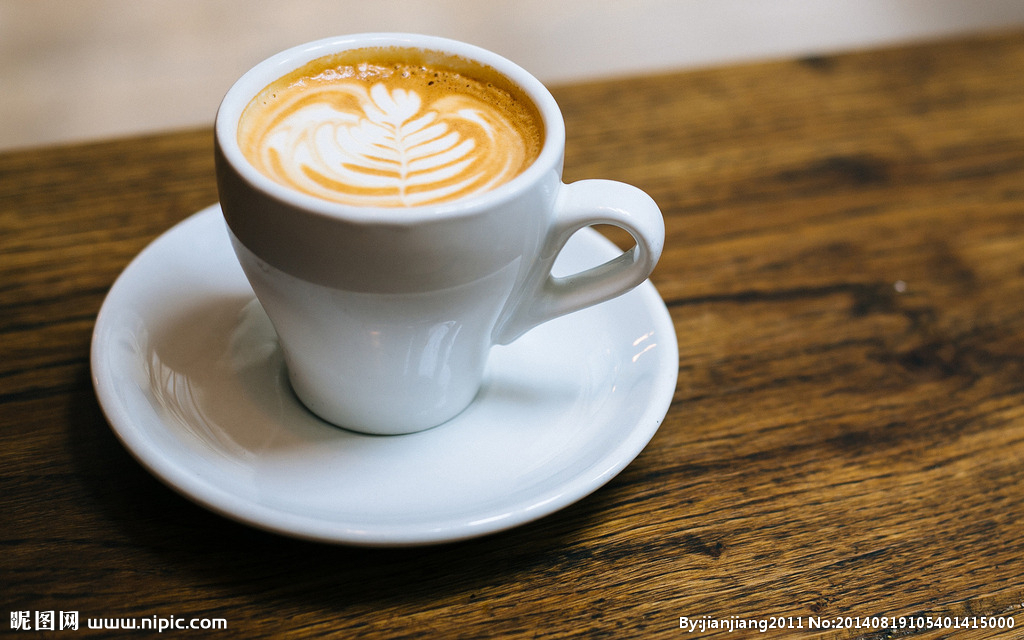
Latin American coffee flavor Latin American coffee characteristics Latin American coffee taste
Latin America (Latin America) in 1721 French naval officer de Klee (Gabriel Mathieu de Clieu) experienced difficulties and obstacles to bring the first coffee sapling from Africa to the Latin American island of Martinique, which was the origin of coffee cultivation in Latin America. Because at that time, France was under the reign of the Bourbon dynasty, and Elaraby was grown in Latin America.